
Unauthorized fuel purchases drain company budgets faster than most fleet managers realize. A single driver filling a personal vehicle on a company account might seem minor, but across a 50-truck operation, unchecked transactions add up to thousands in annual losses. Programs like the Chevron and Texaco business fuel card give fleet operators the security controls needed to flag suspicious activity before it becomes a recurring problem.
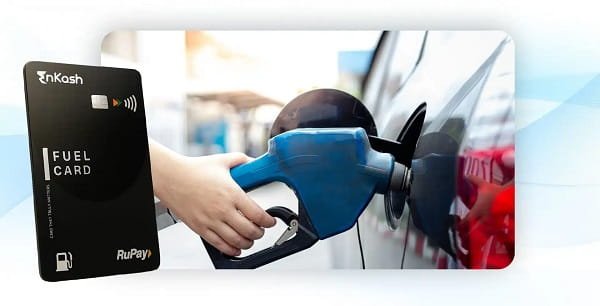
How fuel card fraud affects fleet operations
Fuel fraud takes several forms. Drivers sometimes fill unauthorized vehicles at stations, purchase non-fuel items on a company card, or record fuel transactions that never happened. According to a 2025 industry report, 62% of fleet operators now use fuel cards specifically because of the expense tracking and spending controls they provide. Without these tools, businesses rely on manual receipt collection, which leaves gaps that dishonest behavior exploits.
The financial impact goes beyond the stolen fuel itself. Every fraudulent purchase introduces inaccurate data into fleet reporting systems, which distorts per-vehicle cost calculations and undermines budgeting for the quarter ahead. When management cannot trust the numbers, the entire efficiency of the operation suffers.
Businesses running fleets of all sizes face this risk. Small operations lose proportionally more because a handful of fraudulent transactions represent a larger share of their total fuel budget. Larger fleets face volume risk, where even a low fraud rate across hundreds of vehicles produces significant dollar losses. Either way, the absence of automated purchase monitoring turns fuel spending into an area where waste goes undetected for months.
Setting purchase limits to prevent misuse
One of the most direct security features of a modern fleet card is the ability to set spending limits at the transaction level. Fleet managers can restrict the dollar amount per fill-up, cap the number of transactions per day, and even limit which fuel types a driver can purchase. These controls act as automated gatekeepers, blocking suspicious activity without requiring someone to review every receipt manually.
For fleets operating across a broad network of stations, purchase limits also help standardize fueling behavior. A delivery driver covering a consistent route should have predictable fuel consumption. When a card registers a fill-up that exceeds the vehicle’s tank capacity, the system flags it immediately. This kind of monitoring catches problems early, whether the issue is fraud or simply a data entry mistake at the pump.
The U.S. fuel card market reached $88.03 billion in 2024, with branded fuel cards holding a 45.9% share. That dominance reflects the demand for integrated controls. Fleet operators want cards that do more than process payments. They want solutions that protect the business from internal and external threats.
Real-time transaction monitoring
Waiting until the end of the month to review fuel expenses is how small problems become large ones. Real-time transaction monitoring gives fleet managers access to spending data as it happens. Each time a driver swipes a card at a station, the system logs the location, amount, time, and fuel type. This level of visibility makes it possible to spot anomalies within hours rather than weeks.
According to Shell Fleet Solutions, fleet managers who actively engage with their transaction data see fuel cost reductions of 5% to 15%. That range reflects the difference between passive card use and active oversight. Monitoring dashboards, now offered by 47% of card providers, present this information in formats that make patterns easy to identify. A spike in costs along a particular route or from a specific driver becomes obvious when the data refreshes in real time.
This convenience extends to multi-location operations. Companies with vehicles spread across different regions can track spending from a single platform, comparing fuel costs by geography, driver, or vehicle. The reporting consolidates what would otherwise require dozens of spreadsheets into one view.
Integrating fuel cards with fleet management systems
The security benefits of fuel cards multiply when they connect to broader fleet management platforms. Telematics integration, which saw 34% growth in 2024, allows companies to match fuel card transactions against GPS data. If a card is used at a station 200 miles from where the vehicle’s GPS places it, the system generates an alert. This cross-referencing eliminates a category of fraud that standalone cards cannot catch.
Data from these integrations also feeds into route optimization tools. When fuel purchase records align with mileage and delivery data, managers can identify which routes consume more fuel than expected and adjust accordingly. Fleets using GPS tracking systems reported a 9% reduction in fuel costs and a 15% reduction in accident-related expenses, according to a 2024 fleet technology trends report.
The goal is not just catching bad actors. It is building an operations infrastructure where every dollar spent on fuel is documented, justified, and analyzed. That level of discipline turns a fleet card from a payment method into a management tool.
Cost tracking that supports smarter budgeting
Accurate cost tracking begins at the pump and carries through to quarterly financial planning. Fuel cards categorize every transaction automatically, sorting expenses by driver, vehicle, location, and date. This granularity eliminates the guesswork that plagues fleets relying on corporate credit cards or cash reimbursements.
With diesel averaging $3.70 per gallon in 2024, fuel remains one of the largest line items for any fleet. The commercial fleet fuel card market grew to $11.25 billion in 2024 and is projected to reach $16.87 billion by 2029, a trajectory driven by businesses seeking better expense management tools. Companies that optimize their fueling strategy using card data can reduce waste and redirect savings toward vehicle maintenance, driver training, or fleet expansion.
Discounts negotiated through fuel card networks also contribute to the bottom line. Many programs offer per-gallon rebates at participating stations, and those savings compound across high-volume fleets. A fleet burning 10,000 gallons per month that saves even five cents per gallon recovers $6,000 annually, money that stays invisible without proper tracking.
Building a fraud-resistant fueling program
No single tool eliminates fuel fraud entirely, but layered controls come close. Combining purchase limits, real-time monitoring, telematics integration, and regular data review creates a system where unauthorized transactions have nowhere to hide. The 2024 NACFE Fleet Fuel Study found that participating fleets operating 75,000 trucks saved a collective $512 million compared to average trucks on the road, and disciplined fuel management was a core factor.
For fleet operators evaluating their current fueling setup, the question is straightforward: does your current system give you the visibility and control to catch problems before they cost you money? If receipts pile up in a shoebox and monthly statements arrive as a surprise, the answer is clear.
Fuel cards built around security and cost tracking address both concerns with a single solution, turning every transaction into data that protects the business and improves its financial footing. The technology exists. The savings are documented. The only variable is whether a fleet operator decides to use them.

Anantha Nageswaran is the chief editor and writer at TheBusinessBlaze.com. He specialises in business, finance, insurance, loan investment topics. With a strong background in business-finance and a passion for demystifying complex concepts, Anantha brings a unique perspective to his writing.