
Corrosion is one of the biggest threats to the lifespan and performance of a water heater. While most people focus on features like heating speed, energy efficiency, or storage water heater, the internal protection of the tank often determines how well the appliance performs over time. This is where inner tank coating plays a critical role.
A water heater stores and heats water continuously, exposing its internal tank to moisture, minerals, temperature fluctuations, and oxygen. Over time, these factors can lead to rust, scale buildup, and structural damage. A high-quality inner tank coating acts as a protective barrier, helping prevent corrosion and ensuring long-term reliability.
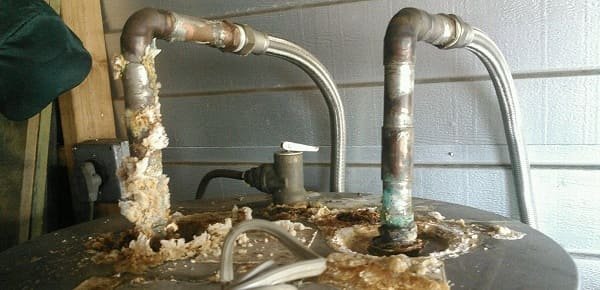
Why Corrosion Happens Inside Water Heaters
Water may look harmless, but it can be highly reactive, especially when heated. Most water sources contain dissolved minerals such as calcium, magnesium, and salts. When water is stored in a water heater tank, these minerals can settle on the tank walls and heating elements.
In addition, regular heating and cooling cycles create stress on the metal surface. This combination of heat, moisture, and mineral deposits gradually weakens the tank, increasing the risk of rust and leakage. Corrosion inside a water heater can lead to the following:
- Reduced heating efficiency
- Poor water quality
- Increased energy consumption
- Shorter appliance lifespan
- Unexpected tank leaks and repairs
This is why protecting the tank from the inside is just as important as choosing the right capacity or design.
What Is Inner Tank Coating?
Inner tank coating refers to the protective layer applied to the inside surface of a water heater tank. Its purpose is to create a shield between the metal tank and the water stored inside.
This coating helps:
- Resist rust formation
- Reduce direct metal-water contact
- Minimise scale buildup
- Improve durability under high temperatures
By preventing the tank surface from reacting with water and minerals, the coating significantly reduces internal wear and tear.
How Inner Tank Coating Improves Water Heater Life
1. Prevents Rust and Corrosion
The primary benefit of inner tank coating is corrosion resistance. Since the coating forms a barrier over the tank material, it helps protect against oxidation caused by constant water exposure.
This becomes especially important in areas with hard water, where mineral content is high and corrosion risk increases.
2. Handles High Temperature Stress
A water heater experiences frequent temperature changes during daily use. Good inner tank coatings are designed to withstand thermal expansion and contraction without cracking or peeling.
This helps maintain the tank’s structural strength even after years of operation.
3. Reduces Scale and Sediment Buildup
Minerals in water often settle at the bottom and sides of the tank. Over time, this buildup can reduce heating efficiency and strain the system.
A durable inner coating creates a smoother surface that makes it harder for scale to stick, helping the water heater perform better for longer.
4. Improves Hygiene and Water Quality
Corroded tanks can affect water cleanliness and introduce rust particles into the water supply. Inner tank protection helps maintain cleaner stored water by preventing tank degradation.
This contributes to safer and more comfortable hot water use in daily household routines.
Why It Matters When Choosing a Water Heater
When buying a water heater, long-term durability should be a key consideration. A well-protected inner tank can reduce maintenance issues and prevent early replacement.
Along with features like energy efficiency and heating performance, users should look for:
- Advanced tank protection technology
- Durable inner coating materials
- Strong warranty support
- Suitability for local water conditions
A good water heater is not just about delivering hot water quickly—it is also about maintaining performance safely over the years.
Conclusion
Inner tank coating plays a vital role in protecting a water heater from one of its biggest internal risks: corrosion. By acting as a shield against moisture, heat, and mineral deposits, it helps extend appliance life, improve efficiency, and maintain better water quality.
In the long run, choosing a water heater with strong inner tank protection is a practical investment that supports both performance and peace of mind.

Anantha Nageswaran is the chief editor and writer at TheBusinessBlaze.com. He specialises in business, finance, insurance, loan investment topics. With a strong background in business-finance and a passion for demystifying complex concepts, Anantha brings a unique perspective to his writing.