As cash transactions continue to play an important role in many industries, businesses are increasingly exploring ways to provide convenient access to cash for their customers. While digital payment methods have grown significantly, cash remains a preferred payment option in many retail environments, hospitality venues, convenience stores, and service-based businesses. For this reason, many business owners are considering whether it makes sense to buy ATM equipment for their locations.
Owning an ATM can provide benefits beyond simple cash access. It can contribute to customer convenience, increase foot traffic, and create additional revenue opportunities when implemented strategically. Understanding the factors involved before purchasing an ATM can help business owners make informed decisions and maximize the value of their investment.
Why Businesses Invest in ATM Machines
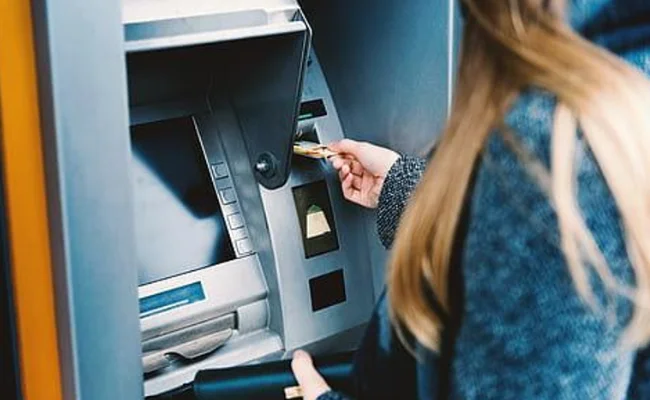
ATMs have become common fixtures in a wide range of commercial locations. Consumers often seek convenient access to cash without visiting a bank branch, making retail locations attractive places for ATM deployment. Industry sources note that retail ATMs can help drive customer traffic and encourage in-store spending after cash withdrawals.
Businesses may choose to buy ATM equipment for several reasons:
- Increased customer convenience
- Additional transaction-based revenue
- Improved customer retention
- Reduced dependence on card transactions
- Greater control over ATM operations
For many organizations, an ATM functions as both a customer service amenity and a supplementary revenue source.
Understanding How ATM Ownership Works
When a business owns its ATM, it is generally responsible for operating and maintaining the machine. This may include cash loading, transaction processing arrangements, compliance requirements, and equipment maintenance.
Some ATM providers offer complete ownership solutions, while others provide managed placement programs where the provider handles operational responsibilities. Business owners evaluating whether to buy ATM equipment should understand the differences between ownership and placement models before making a decision.
Ownership often provides greater control and potentially higher revenue retention, while managed programs may reduce operational responsibilities. Industry providers frequently highlight ownership as a way for businesses to retain a larger share of surcharge revenue.
Key Factors to Consider Before Purchasing an ATM
Selecting the right ATM involves more than simply choosing a machine.
Location Traffic
The success of an ATM often depends on customer volume. High-traffic locations generally generate more transactions and may provide stronger returns on investment.
Available Space
Businesses should evaluate where the machine will be installed and ensure there is adequate space for customer access, security, and visibility.
Security Requirements
ATM placement requires careful consideration of physical security. Proper installation, surveillance systems, and secure cash management procedures are important components of ATM operation.
Cash Management
Owners must determine how the machine will be replenished with cash and how frequently cash servicing will be required.
These factors can significantly influence the overall effectiveness of an ATM deployment strategy.
Types of Businesses That Benefit from ATM Ownership
Many different industries utilize ATMs to enhance customer convenience and support operations.
Convenience Stores
Convenience stores frequently attract customers seeking quick access to cash for everyday purchases.
Restaurants and Bars
Cash withdrawals can support customer spending while reducing reliance on card transactions.
Retail Stores
Many retail businesses choose to buy ATM equipment to provide added convenience and encourage customers to remain on-site rather than leaving to locate cash elsewhere.
Entertainment Venues
Arcades, gaming establishments, and event spaces often experience strong ATM usage due to customer demand for readily available cash.
Industry data suggests that customers often spend a portion of the cash withdrawn directly within the host business, making ATMs particularly valuable in retail environments.
Benefits of ATM Ownership
ATM ownership can provide several advantages when managed effectively.
Additional Revenue Streams
Businesses may earn income through transaction fees associated with ATM usage.
Increased Customer Traffic
Customers frequently seek locations that offer convenient access to cash. Retail ATM providers report that ATM availability can contribute to higher store visitation and customer retention.
Enhanced Customer Experience
Providing cash access can improve overall customer satisfaction, particularly in areas where bank branches or alternative ATMs are limited.
Business Asset Value
For businesses that choose to buy ATM equipment outright, the machine may be considered a business asset that contributes to operational value.
Common Challenges to Consider
While ATMs can offer advantages, business owners should also understand potential challenges.
Maintenance Responsibilities
Equipment maintenance, software updates, and technical support may require ongoing attention.
Cash Handling Requirements
ATM ownership involves managing cash inventories and ensuring machines remain adequately stocked.
Security Concerns
Proper safeguards are necessary to protect both the equipment and the funds stored within it.
Regulatory Compliance
ATM operators must comply with applicable banking, transaction processing, and accessibility regulations.
Careful planning can help businesses address these challenges and maintain efficient ATM operations.
Choosing the Right ATM Solution
The ATM market includes a variety of machine models designed for different business environments. Available options range from compact retail units to larger machines with advanced features and expanded transaction capabilities. Current retail ATM offerings include models from manufacturers such as Genmega and Hyosung, with configurations designed for various traffic levels and operational requirements.
When selecting a machine, businesses should consider:
- Expected transaction volume
- Available installation space
- Security features
- Service and support options
- Future business growth plans
A thoughtful evaluation process can help ensure the selected ATM aligns with operational needs and customer expectations.
Conclusion
Investing in an ATM can be a practical decision for businesses seeking to enhance customer convenience while creating additional revenue opportunities. Whether located in retail stores, restaurants, entertainment venues, or service businesses, ATMs continue to play an important role in providing accessible cash services. For many organizations, especially those seeking an effective ATM for retailer solution, ATM ownership can support both customer satisfaction and business growth when implemented strategically. Companies that choose to buy ATM equipment should carefully evaluate factors such as location traffic, security, maintenance responsibilities, and long-term operational goals before making a purchase.

Anantha Nageswaran is the chief editor and writer at TheBusinessBlaze.com. He specialises in business, finance, insurance, loan investment topics. With a strong background in business-finance and a passion for demystifying complex concepts, Anantha brings a unique perspective to his writing.